
Marble in Transitional Spaces
When Movement Becomes Design
Transitional spaces in architecture and interior design are often overlooked. The corridors, stairs, lobbies and passageways are not destinations, but they do define the way a space can be experienced. These zones are used to guide movement, create rhythm and seamlessly connect functions.
Marble is used in transitional areas to create a seamless experience. It brings continuity, durability and architectural clarity in spaces designed for constant motion.
Transitional spaces at Marble City are treated more as integral design elements than residual areas. Marble is chosen and detailed in a way that supports flow, can withstand heavy use, and reinforces spatial identity. This ensures that the movement of a space feels purposeful, grounded, cohesive, and intentional.
Why transitional spaces matter in interior architecture
They act as connectors for key zones. They affect how people perceive size, navigate interiors and transition emotionally between environments. These spaces can elevate an interior's overall experience when designed with care.
Marble for transitional spaces enhances the experience by offering:
1. Visual continuity across zones
2. Durability of structural components for heavy traffic
3. Pattern and direction provide subtle guidance
4. A material language unifies the interior
Marble is a surface that supports motion as well as meaning.
The Marble Tool as a Visual Flow Tool
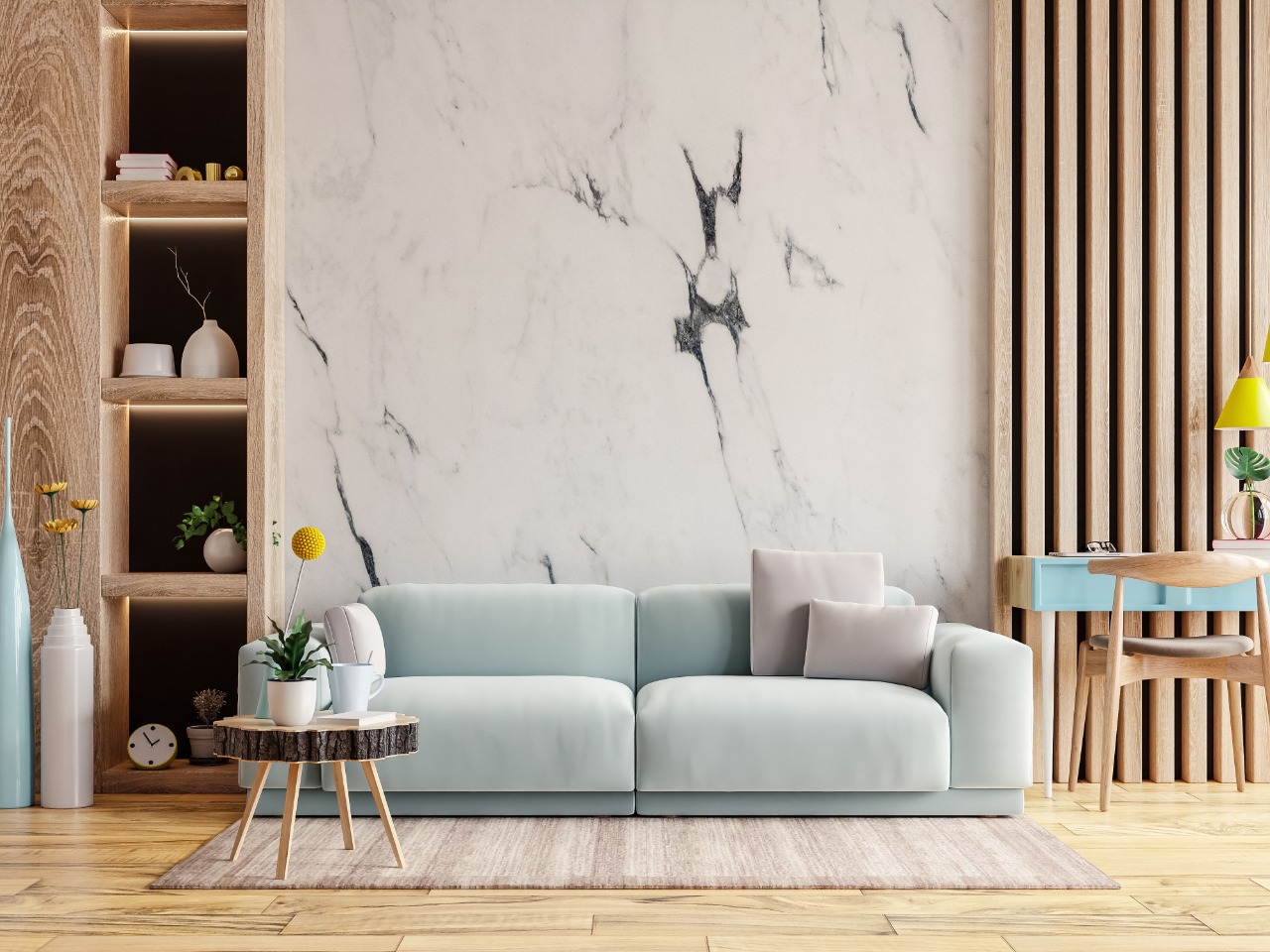
Marble's ability to create visual movement is one of its strongest features. The veining patterns, slabs, and finishes all work together to direct the eye, as well as the body, through space.
How Marble enhances flow
1. Directional veining leads the movement naturally along walkways and corridors
2. Large-format slabs reduce joints, minimizing visual breaks
3. Unify functional zones with consistent finishes
The layout of Marble City is planned in accordance with the circulation routes, so that the transitional spaces are not confined but feel spacious.
High Performance Requirements for Transitional Zones
The transitional spaces are subject to the most interaction. Materials that are durable and withstand daily use, foot traffic, luggage movement, furniture movements, and everyday wear will last longer.
Why Marble performs exceptionally well
1. Surface Strength: Resists impact and abrasion
2. Structural density: Maintains form under continuous use
3. Thermal stability: Supports comfort for long passageways
4. Longevity: Character develops rather than degrades
This makes Marble in Transitional Spaces perfect for both residential as well as commercial environments.
Marble: Key Applications in Transitional Spaces
Corridors and Passageways
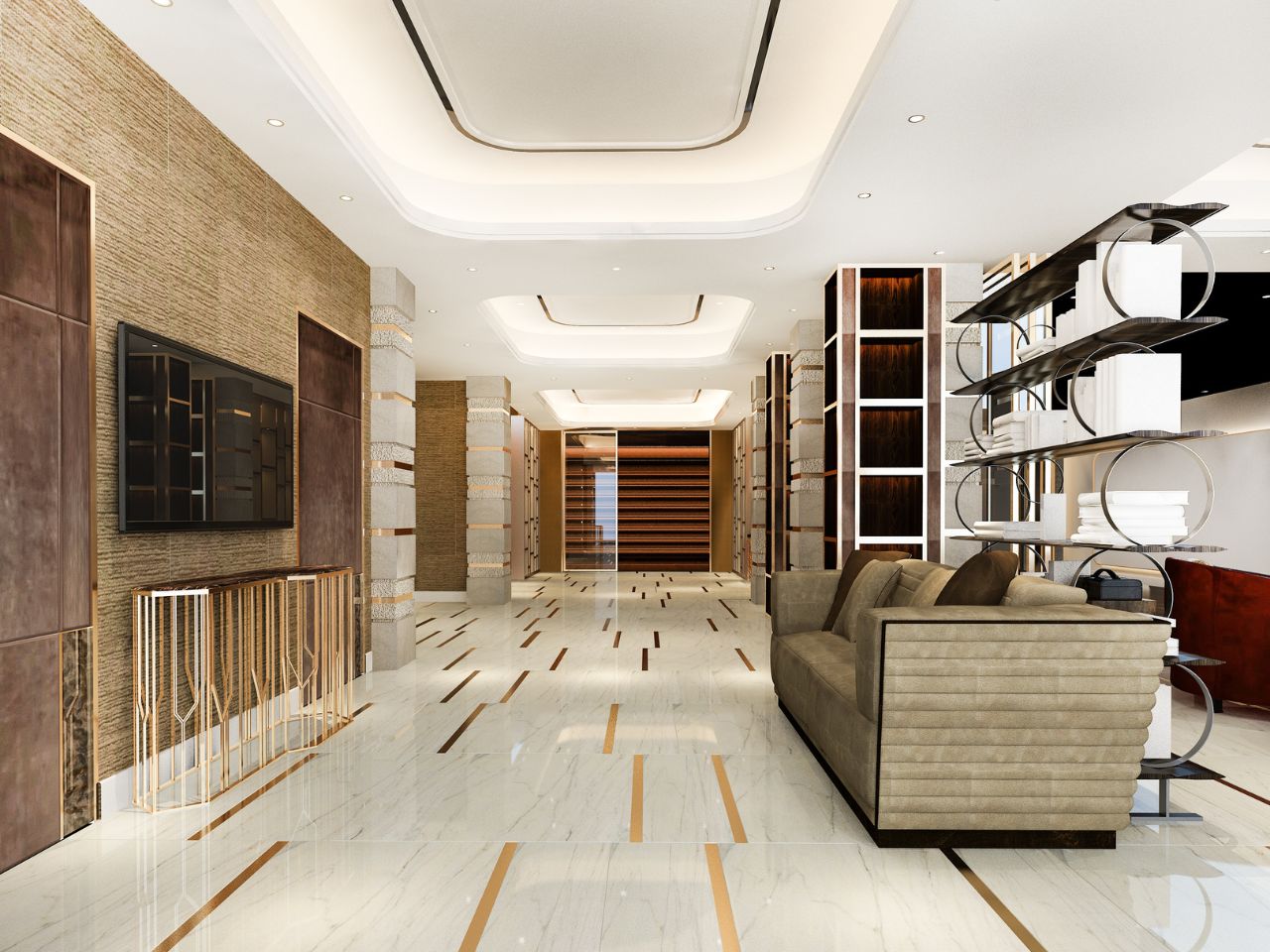
The marble corridors are spacious and deliberate. The vein direction can lengthen narrow spaces while subtle tonal changes define transitions in the absence of partitions.
1. Enhances spatial rhythm
2. Improves visual navigation
3. Signage is not required as much
Staircases
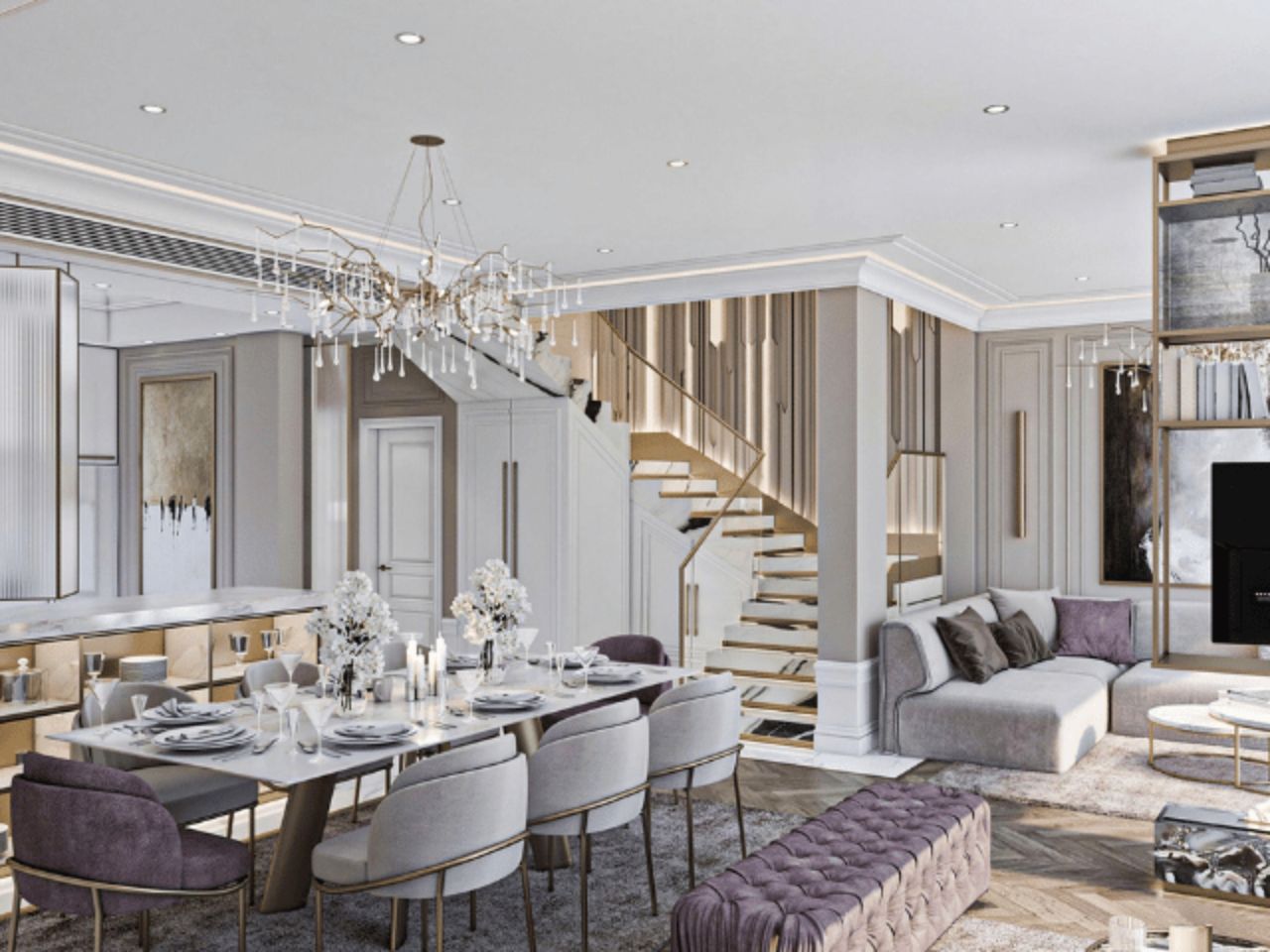
The staircase is one of the most important architectural elements. Marble is both elegant and strong, while still maintaining safety.
1. Durable treads & risers
2. Supporting upward movement with directional grain
3. The seamless integration of floors and landings
Entrance Thresholds and Lobbies
The transition between exterior and interior sets the mood for the whole space. The Marble anchors the architecture and creates an impression of arrival.
1. Establishes material hierarchy
2. First impressions are important
3. Supports high volume usage
Transitional Residential Spaces: Subtle Strength
Marble allows transitional spaces to be a part of the design story without being overt.
Residential Uses Include
1. Hallways linking private and social zones
2. Staircases linking vertical levels
3. Transitional flooring between rooms
Here, Marble in Transitional Spaces balances durability with softness, adapting to everyday life.
Material Continuity, Design Cohesion, and
Modern interiors are often open and have minimal partitions. Marble is a material that unifies spaces and connects them without creating visual noise.
1. The same stone on floors and staircases
2. Different finishes to differentiate functionally
3. Continuous slabs reinforce cohesion
Transitional zones should enhance the architectural story, not interrupt it.
Long-Term Value and Sustainability
Marble is a durable material that can be used in transitional areas where it would otherwise need to be refinished or replaced frequently.
1. An extended lifecycle reduces material waste.
2. Minimal chemical treatments
3. Maintains relevance across design updates
When used with care, Marble can be used to create transitional spaces that are sustainable and long-term.
Conclusion:
Transitional spaces are not only about how they look, but also how people experience architecture. Marble is used in transitional spaces to turn movement into an element of design, supporting flow, durability and visual continuity throughout interiors.
Marble City selects, details, and installs Marble with an understanding of the way people move in space. From corridors to staircases, thresholds to lobbies, marble anchors these transitions with strength and material intelligence--ensuring that every step through a space feels considered, connected, and enduring.
hidden


Marble city is the preferred and regular supplier to some of the largest, most opulent and the most luxurious living spaces in the country-may it be the new chic five star boutique hotel around the corner, or the most ostentatious luxury condominium at the best address in town, or the largest luxury flats development by the best real estate developers in the country. It is easy to approach as it has well stocked showroom-cum-stockyards spread across delhi.
Contact Us
Delhi Office
B-5 & 6, Mayapuri Industrial Area, Phase I, Mayapuri, New Delhi - 110 064 (INDIA)
Phone: +91 98117 82245
Toll Free: 1800- 309- 2966
E-mail: connect@marblecity.in
Mumbai Office
Mr. Ashwani singh
Mobile: +91 9899782040
E-mail: ashwani@marblecity.in

LET'S GET IN TOUCH